
As more homeowners, businesses, and institutions turn to solar power, one important question comes up early in the decision-making process:
Where should your solar panels go—on your roof or on the ground?
Both options generate clean, renewable energy. But each comes with its own set of advantages, challenges, and ideal use cases. In this blog, we’ll help you explore both systems so you can choose the setup that best suits your space, energy needs, and budget.
What is Rooftop Solar?
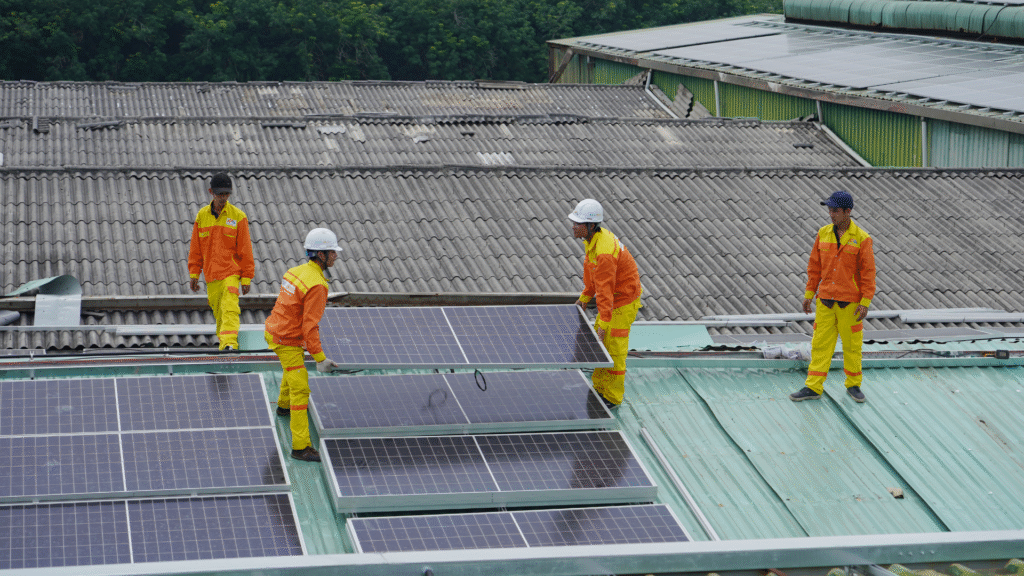
Rooftop solar systems are exactly what they sound like—solar panels installed on the roof of your home, office, or commercial building.
They’re especially popular in urban and semi-urban settings where space is limited and rooftops offer the best exposure to sunlight.
Pros of Rooftop Solar
- Space-Saving: No extra land required—your roof becomes your power plant.
- Urban-Friendly: Ideal for cities and towns where land is scarce.
- Lower Installation Costs: Infrastructure is already in place; no mounting structure required for flat roofs.
- Easy Net Metering Integration: Rooftop systems are commonly supported by DISCOMs for grid-connected setups.
- Property Value Boost: Solar-equipped homes often have higher resale value.
Cons of Rooftop Solar
- Limited Panel Capacity: Rooftop size restricts how many panels you can install.
- Shading Issues: Trees, buildings, or even water tanks can reduce panel efficiency.
- Roof Angle and Direction: Sloped or misaligned roofs may require extra mounting adjustments.
- Structural Challenges: Old or weak roofs may need reinforcement before installation.
What is Ground-Mounted Solar?
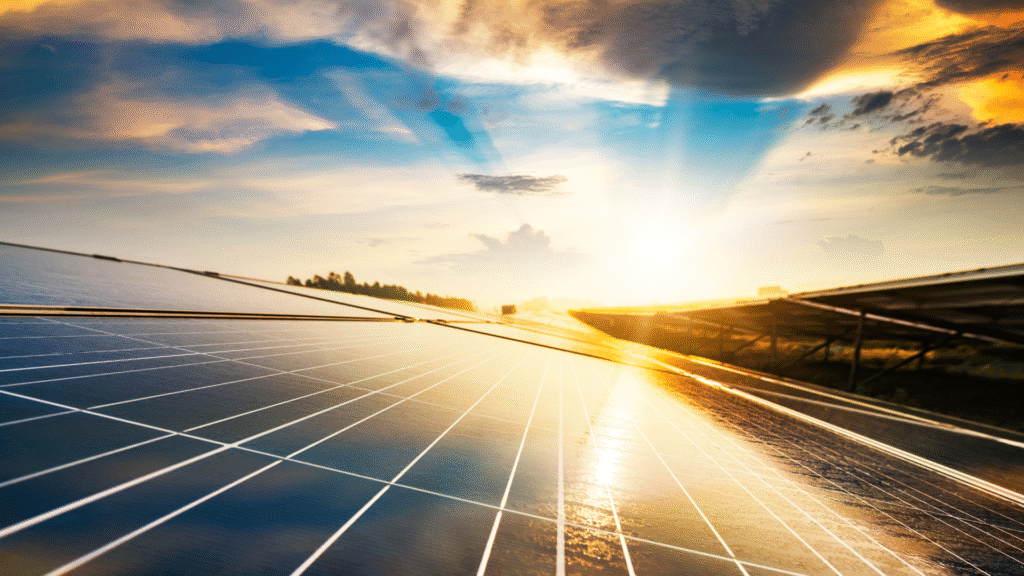
Ground-mounted solar systems are installed directly on the ground, typically in open fields, industrial spaces, or farms. They are anchored using metal frames, poles, or concrete foundations.
Pros of Ground-Mounted Solar
- Scalability: Easy to install more panels over time as energy needs grow.
- Better Efficiency: Can be optimally tilted and oriented for maximum sun exposure.
- Easier Maintenance: Panels are accessible from all angles—making cleaning and repairs simpler.
- Ideal for Solar Farming: Perfect for large installations, such as schools, industries, or agriculture.
Cons of Ground-Mounted Solar
- Requires Land: You’ll need dedicated space for installation, which isn’t always available in cities.
- Higher Installation Costs: Extra materials and civil work (like concrete footings) increase the setup cost.
- Potential Land Use Conflict: Agricultural or commercial land use may need to be balanced with energy production.
How REMA Helps You Decide?
Choosing between rooftop and ground-mounted isn’t just about space—it’s about efficiency, long-term value, and future scalability.
Here’s how REMA can assist:
- Site Assessments by Certified Professionals: We evaluate your location and suggest the best-fit system.
- Dealer Consultation: Connect with REMA-certified dealers who offer honest advice, quality products, and full support.
- Member Success Stories: Learn from real people who’ve made smart solar choices—whether on rooftops or open land.
Conclusion: The Right Setup = Long-Term Gains
Both rooftop and ground-mounted solar systems can be incredibly effective. What matters is choosing the right system for your specific needs—and ensuring it’s designed and installed by people who know what they’re doing.
At REMA, we don’t just promote solar—we support every step of your solar journey.