
India’s shift to renewable energy has advanced to a significant new phase.
The focus has shifted from expanding capacity to building a strong, integrated, and reliable system that can support the country’s ambitious clean energy goals after years of rapid growth.
The time has come to move from speed to system strength, from expansion to integration, and from quantity to quality, according to the Ministry of New and Renewable Energy’s (MNRE) clear vision.
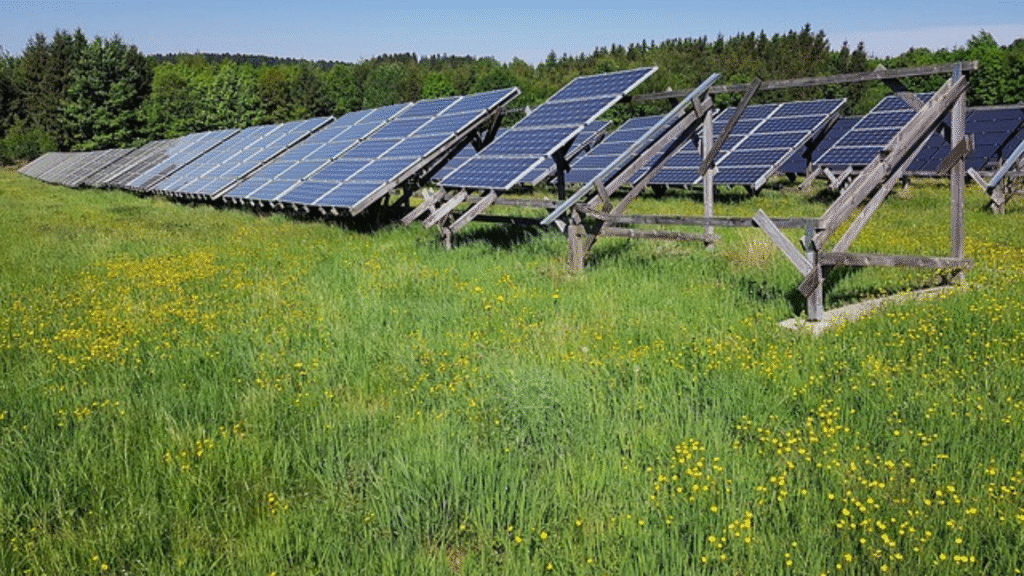
India has emerged as one of the renewable energy markets with the fastest rate of growth in the world over the past ten years. The capacity of renewable energy has more than fivefold increased from less than 35 GW in 2014 to over 197 GW today (excluding large hydro).
The primary forces behind this expansion have been solar and wind energy. Solar energy alone accounts for nearly two-thirds of India’s renewable energy, illustrating how technology adoption and policy support have combined to increase the use of clean energy.
But with such extensive growth, preserving grid stability, energy dispatchability, and long-term dependability creates a new set of challenges. India is currently focusing on strengthening the foundation of its clean energy system to ensure sustainable and efficient growth.
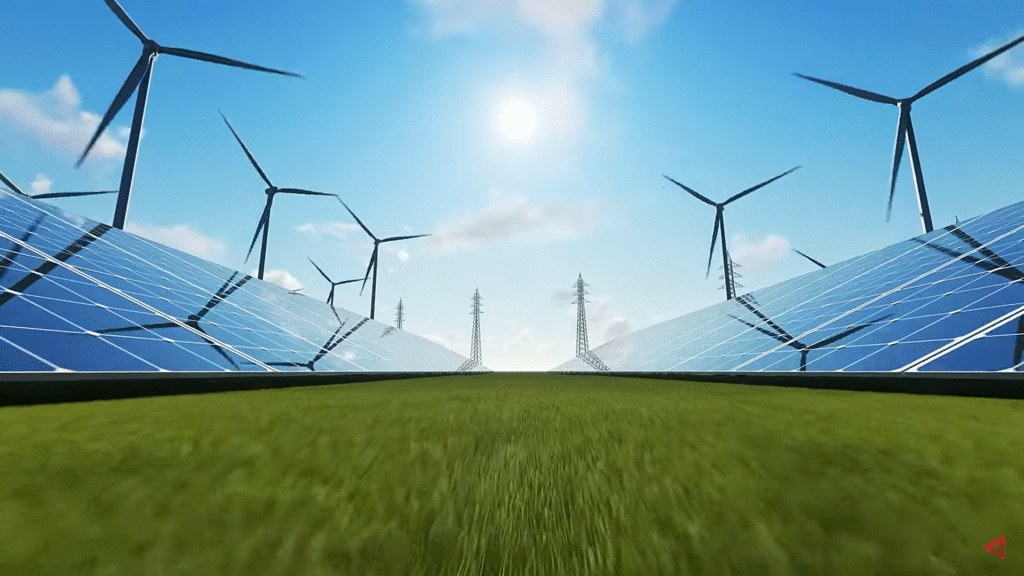
India’s renewable sector has consistently achieved global milestones. With over 40 GW of projects in advanced stages of development and another 15–25 GW being added annually, the momentum remains strong.
Central and state agencies continue to bid for large-scale solar and wind projects, while commercial and industrial (C&I) consumers are increasingly investing in renewable installations to reduce dependence on conventional power.
The story so far reflects India’s determination to not only meet domestic energy demand but also emerge as a leader in the global clean energy transition.
The next phase of India’s renewable mission is integration, or successfully integrating renewable energy into the national grid. This will ensure the availability of clean energy at the appropriate time and location.
A significant step in this direction is the government’s ₹2.4 lakh crore Transmission Plan, which intends to install 500 GW of non-fossil capacity by 2030. This plan includes the Green Energy Corridors and high-capacity transmission lines that connect renewable-rich regions like Rajasthan, Gujarat, and Ladakh with major demand centers.
India’s clean energy policy environment has changed over time to support industry and infrastructure. Important reforms consist of:
- Production-Linked Incentive (PLI) Scheme: Promotes domestic solar production and lessens dependency on imports.
- The Approved List of Models and Manufacturers (ALMM) guarantees transparency, uniformity, and quality in all solar projects.
- Hybrid and Dispatchable Power Projects: These projects integrate storage, wind, and solar energy to guarantee a steady supply of energy all day long.
- Domestic Content Requirements: Encourages “Make in India” by requiring locally produced components and modules.
When taken as a whole, these projects are changing India’s renewable energy landscape, increasing its technological sophistication, independence, and competitiveness in the global market.
This is a purposeful and strategic recalibration, even though new capacity additions might seem slower than in previous years. Now, system stability and quality growth—rather than just quantity—are the main priorities.
Experts point out that power purchase agreements (PPAs) and power sale agreements (PSAs) are currently advancing more than 40 GW of renewable projects. Because of stable policies and rising energy demand, India’s renewable sector continues to draw significant investment despite global supply chain challenges.
India is one of the most alluring renewable markets in the world because of its competitive clean energy tariffs.
Organizations such as the Renewable Energy Manufacturers Association (REMA) are essential in helping to bridge the gap between policy, implementation, and industry readiness as India moves from expansion to integration.
For solar producers, dealers, and other renewable stakeholders in Punjab and elsewhere, REMA acts as a single voice. REMA contributes to the development of a stable ecosystem that is advantageous to all stakeholders by guaranteeing equitable processes, consistency, and ongoing communication with governmental bodies.
REMA makes sure that companies stay knowledgeable, competent, and in line with India’s changing renewable goals through policy advocacy, training, awareness campaigns, and dealer networking.
REMA’s role in fostering cooperation, openness, and quality control is more crucial than ever in this age of system change.
India’s renewable energy journey has entered a new era of smart growth — one that values strength over speed and collaboration over competition.
As the nation moves closer to its 500 GW clean energy goal, the focus is shifting toward hybrid systems, grid modernization, and sustainable integration.
With strong policy alignment, technological innovation, and collective efforts led by associations like REMA, India is building not just more capacity but a resilient ecosystem for the future — one where every megawatt contributes to a cleaner, stronger, and more sustainable nation.